
A New Path Toward Sustainable Rice Production
At the bustling Rice Festival held at Impact Muang Thong Thani, Bangkok, Thailand, among stalls filled with fragrant grains and regional delicacies, an unexpected encounter led to the birth of an idea with the potential to reshape the relationship between urban consumers and rural farming communities. It began simply—with a conversation.
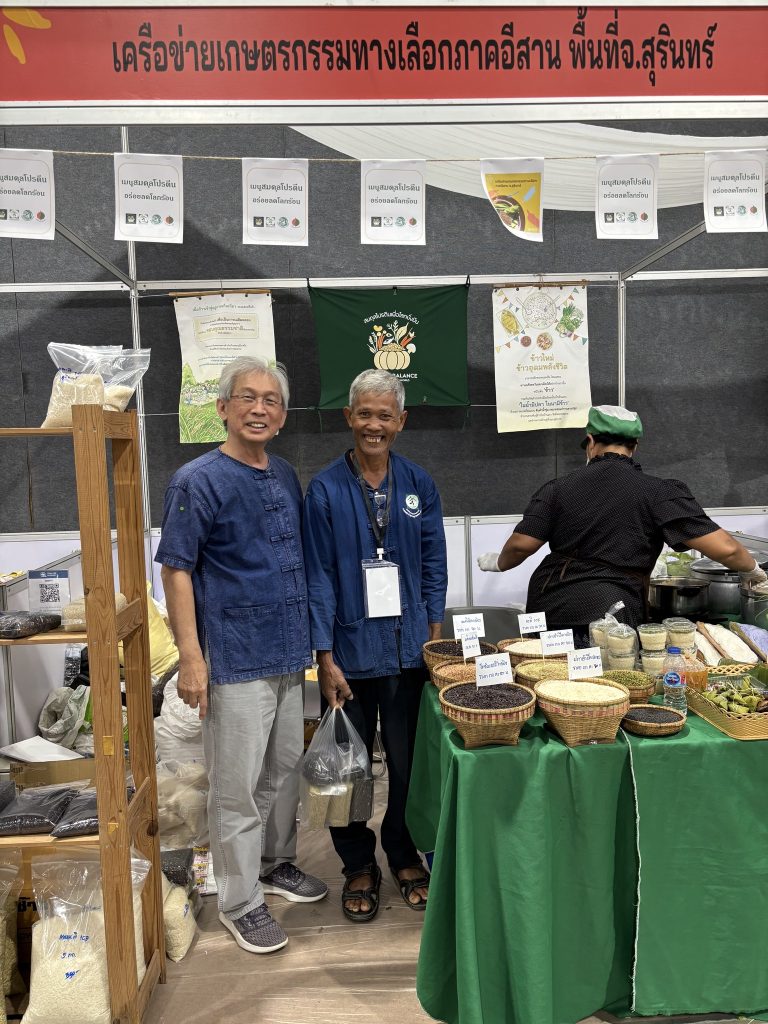
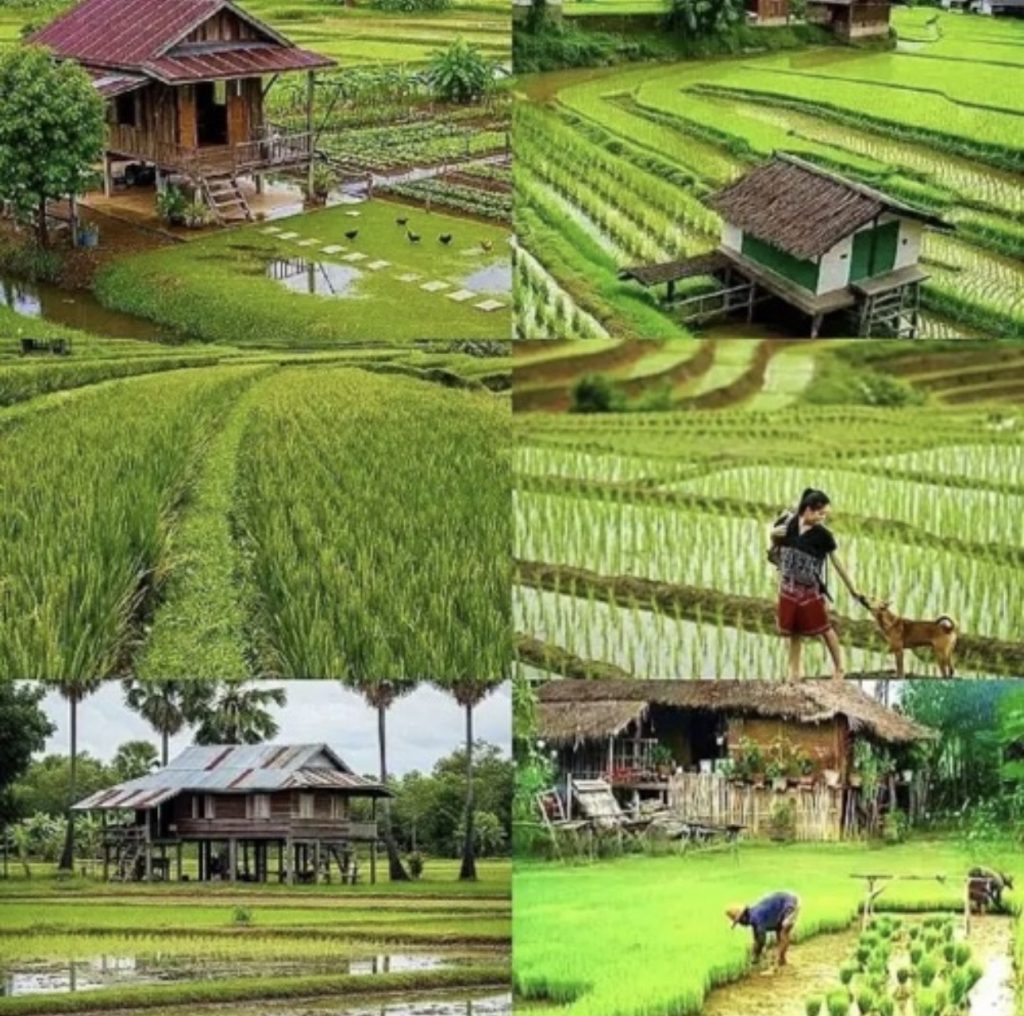
While walking through the exhibition, I met a group of Indigenous rice farmers who had traveled from their villages to showcase their locally grown rice. What started as casual small talk gradually evolved into a deep discussion about the realities of rice farming in Thailand: fluctuating market prices, mounting debt, unpredictable harvests, and the constant fear of producing rice that they might not be able to sell
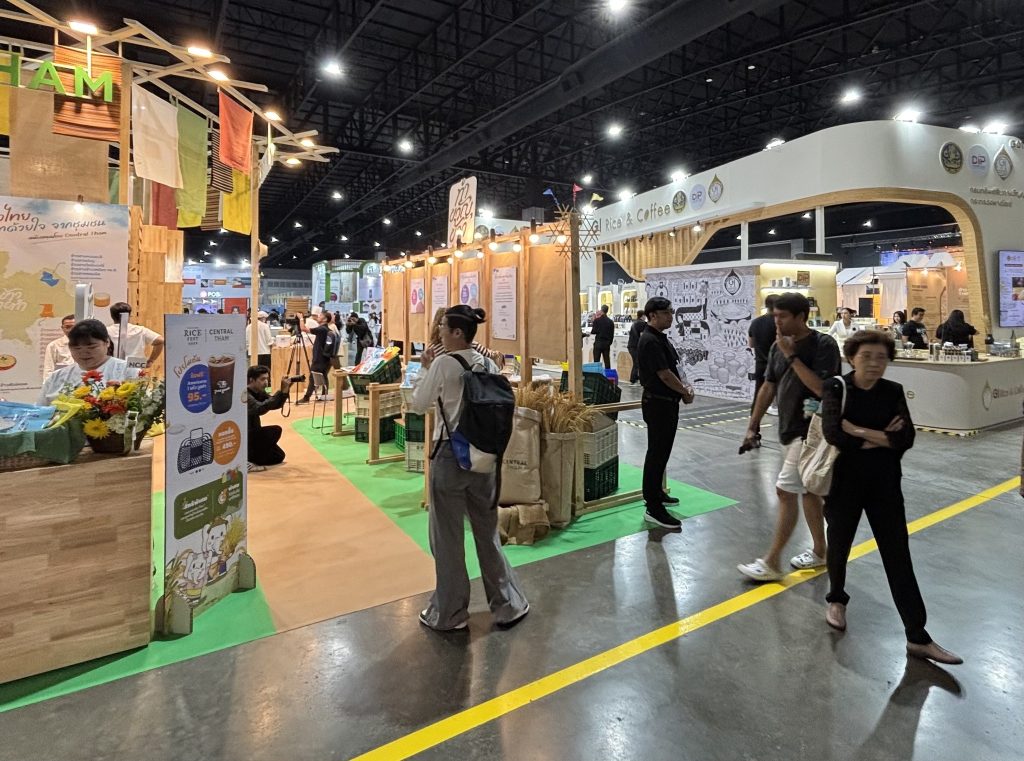
Despite the challenges they faced, the farmers spoke with pride about their traditions, their connection to the land, and the unique varieties of rice they cultivated. Their passion was clear. But so was their frustration.
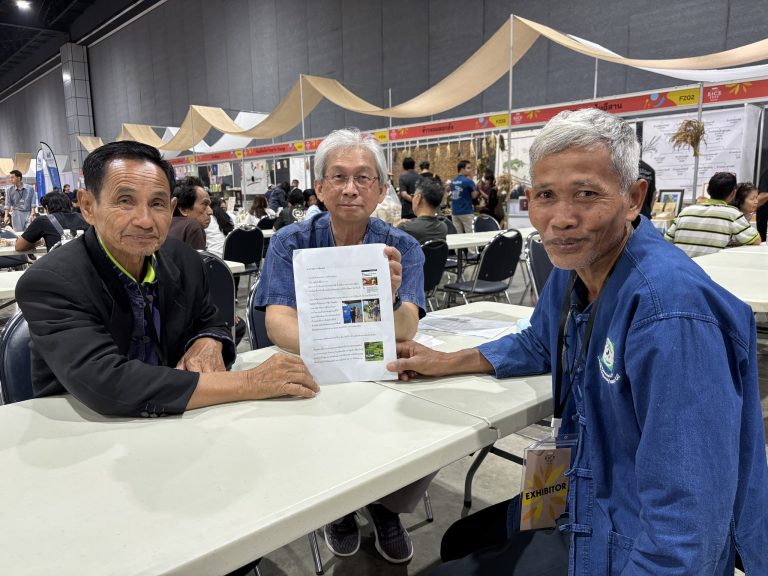
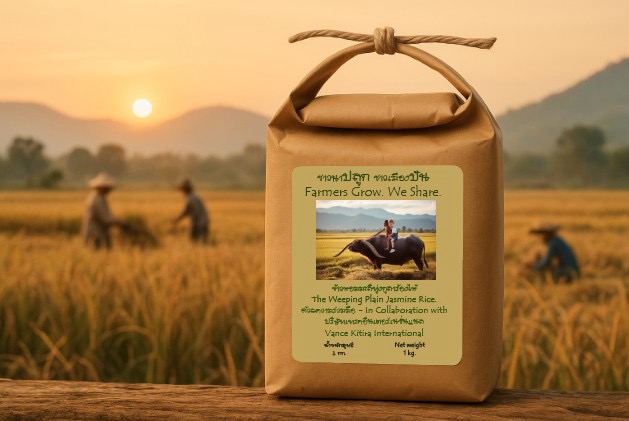
During our conversation, we found ourselves aligned in a shared desire to create something better—something that could ease the financial pressure on farmers while also creating meaningful engagement between people in the city and those working in the fields. Out of this mutual understanding emerged the idea for a project we now call “Framers Grow – We Share.”
A Simple Concept With a Powerful Impact
The idea behind the project is both practical and transformative:
connect farmers with individuals or companies who are willing to pre-purchase rice before it is planted.
This pre-purchase system means that:
- Farmers receive guaranteed buyers in advance.
- They no longer need to borrow money to start each planting season.
- They can grow their crops with confidence, knowing their efforts will not go to waste.
- Urban supporters gain transparency, traceability, and a closer relationship with the people who grow their rice.
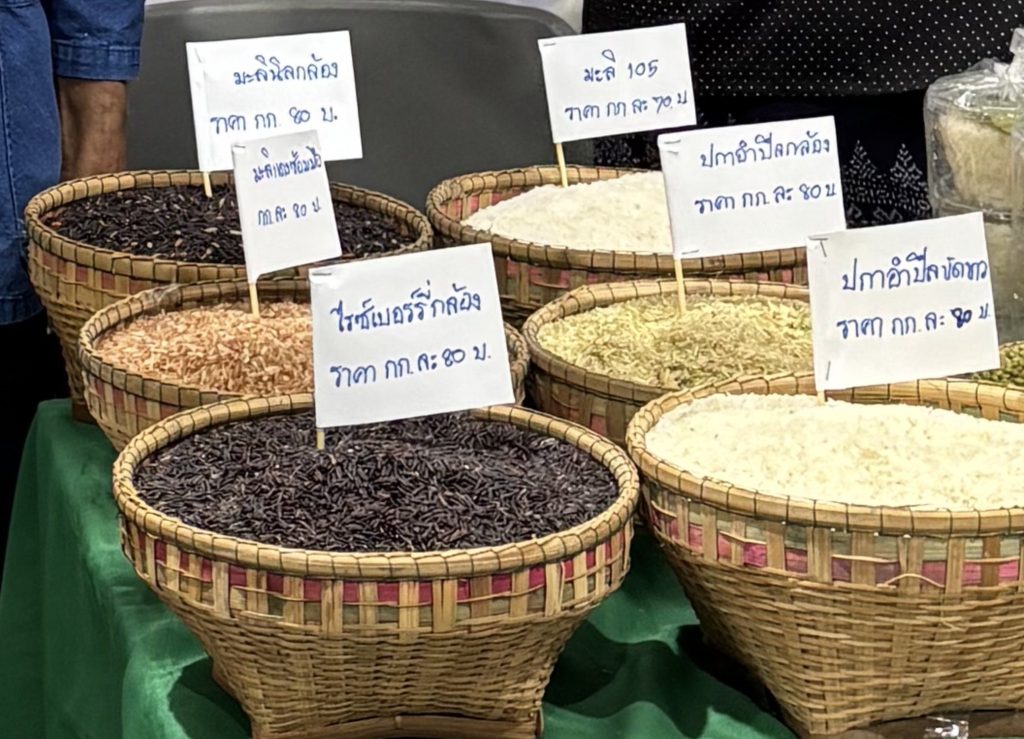
In essence, it shifts the traditional farming model from one of uncertainty to one of partnership. By sharing the responsibility and risk between city consumers and rural farmers, both sides become active participants in building a healthier and more sustainable food economy.
A Lifeline for Farmers
For many rice farmers—especially Indigenous communities—the biggest burden each season is the upfront cost. Seeds, fertilizer, land preparation, equipment, and labor expenses often force farmers into taking high-interest loans. If market prices drop or their harvest fails, the debt spiral worsens.
The pre-purchase model aims to break this cycle.
With committed buyers lined up before planting even begins, farmers are empowered to plan long-term, invest in better techniques, and prioritize quality instead of volume. They no longer have to worry about selling their rice at low prices to middlemen or being left with unsold stock.
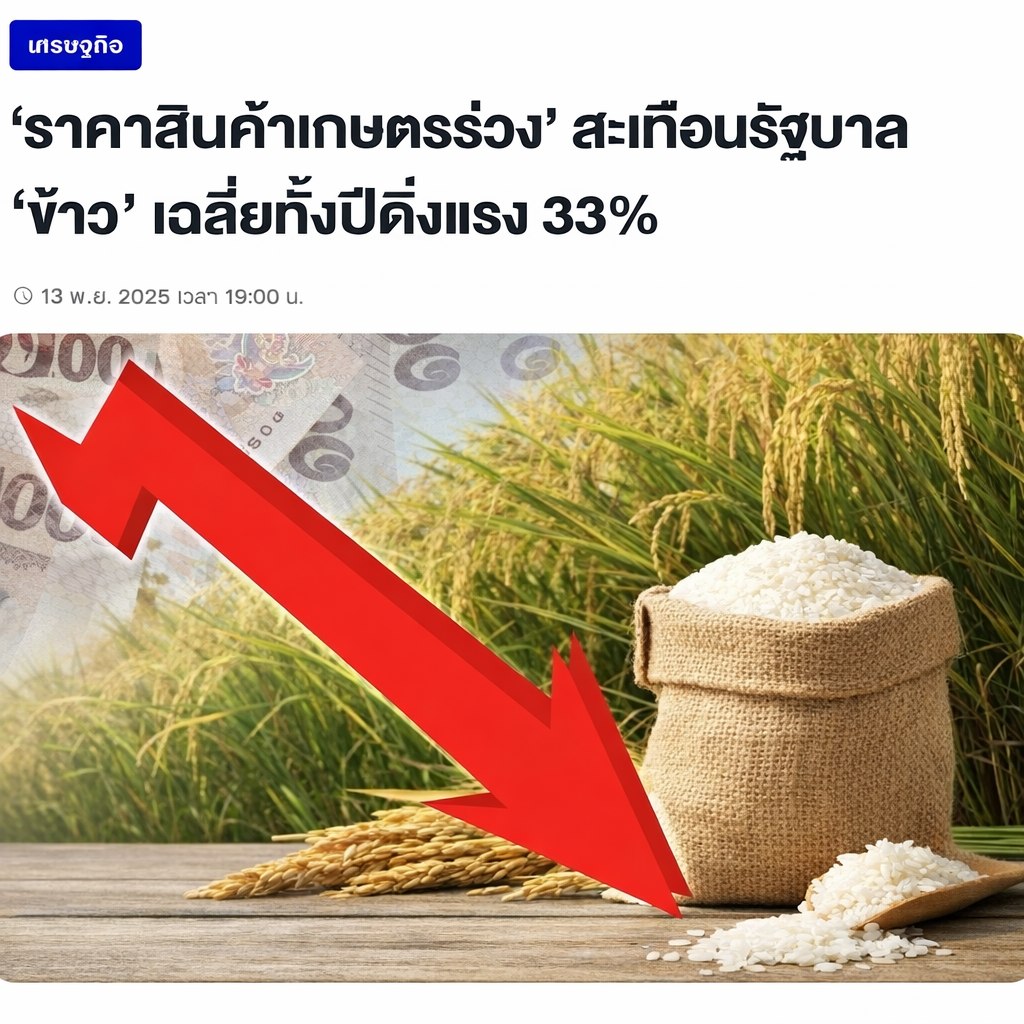
With committed buyers lined up before planting even begins, farmers are empowered to plan long-term, invest in better techniques, and prioritize quality instead of volume. They no longer have to worry about selling their rice at low prices to middlemen or being left with unsold stock.
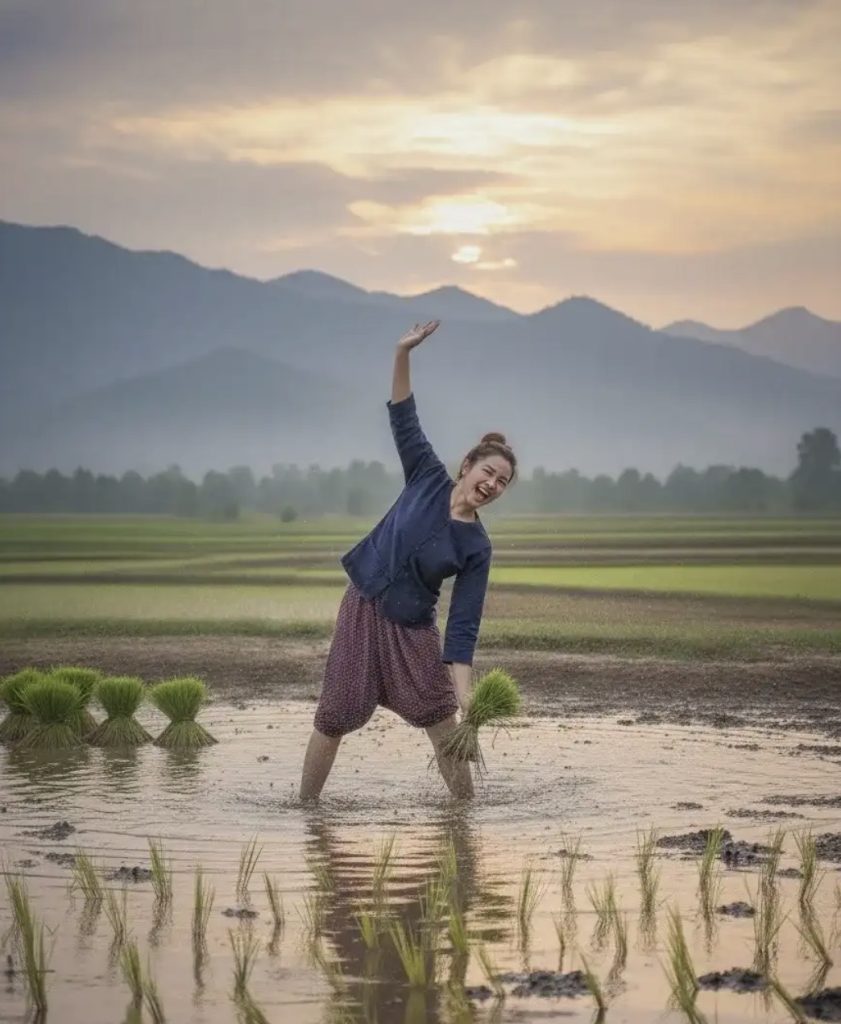
Why Urban Consumers Matter
City residents often consume rice daily without ever knowing where it comes from or who produces it. This initiative helps bridge that gap.
By purchasing rice directly from farmers—even months before the harvest—city dwellers become part of the growing process. They support rural livelihoods, preserve local rice varieties, and contribute to the survival of farming traditions that are at risk of disappearing.
It’s not just a transaction; it’s a relationship.
A Vision for the Future
The hope is that this model will grow into a nationwide movement, encouraging more people and companies to take part. With enough support, we can create a future where farmers no longer live in uncertainty and where consumers feel genuinely connected to the food they eat and the farmers behind. From a simple meeting at the Rice Festival, a meaningful partnership was born. And like a single grain that grows into a field of rice, this idea has the potential to bloom into something far greater—changing lives, strengthening communities, and reshaping the way we value the hands that feed us.